Bringing a baby home has a means of transforming average objects into prospective risks. A grape resembles a choking threat, a coffee table corner ends up being a head injury waiting to occur, and every cough appears urgent. That continuous history worry belongs to very early parent, but it does not need to rule you. Strong, useful first aid training offers you something far better than confidence: it gives you a plan.
Many brand-new parents know they must schedule a first aid course, yet delay it because time and energy are currently stretched thin. That is where express first aid and cpr training is available in. A focused, fast first aid course can outfit you with the most vital childcare abilities in simply a few hours, without the fluff.
This article makes use of what I have actually seen mentor first aid and cpr courses for families, childcare employees, and health experts. I will focus on express childcare first aid alternatives, what they genuinely cover, what they miss out on, and exactly how new parents can make clever selections that fit hectic lives.
Why childcare first aid issues greater than many people expect
Parents typically tell me they want first aid skills "just in situation". In practice, it is rarely a far-off circumstance. In any kind of group of young kids, you can expect regular bumps, cuts, fevers, and occasional scares. The bulk are small, but a handful are not, and in those moments, the very first couple of mins matter far more than most people realise.
Here are patterns I have actually seen repetitively:
A young child chokes on an item of sausage while the household eats at the dining table. A grownup who has taken a first aid and cpr course recognises the silent battle, gets the child out of the highchair instantly, and provides back blows and chest thrusts appropriately. The food dislodges in secs. By the time the rescue gets here, the kid is dismayed however breathing normally.
A various household, similarly caring however untrained, is reluctant. One adult rubs the child's back delicately while the other fumbles for their phone. Precious secs slide by, and the child begins to turn blue. The eventual outcome may still be good, yet the threat of brain injury enhances with each passing minute without effective action.
The distinction is not fearlessness. It is method and clarity. When you have actually done the movements in a risk-free training area, under a trainer's guidance, you are much much less most likely to freeze in genuine life.
New parents deal with specific dangers:
- Airway and breathing problems in children and kids during choking, allergies, or infections. Falls from couches, beds, changing tables, and play ground equipment. Burns and heats from kettles, cups, bathrooms, and ovens. Fevers, seizures, and health problems that can weaken quickly.
Express childcare first aid courses focus on those high-stakes scenarios. The purpose is not to turn you right into a paramedic. It is to maintain your youngster active, breathing, and as steady as possible up until professional help arrives.
What "express" and "fast" really mean in first aid training
Different providers utilize expressions like fast first aid course, express first aid course, or fast cpr refresher course with somewhat different definitions. As a parent looking for training, it assists to decode this advertising language.
Typically, a standard first aid and cpr course for workplace certification runs for a full day, in some cases a lot more. It covers grownup, child, and baby cpr, choking, bleeding, fractures, burns, clinical emergencies, and lawful considerations. That degree of breadth is needed if you are assigned as a very first aider at work or in a managed child care setting.
Express first aid training, on the various other hand, compresses the content right into a much shorter block, normally 2 to 4 hours. A concentrated express child care first aid course may:
- Prioritise baby and kid cpr over grown-up techniques. Concentrate on choking, taking a breath difficulties, and serious allergic reactions. Streamline sections on minor injuries so more time goes to life threatening situations. Use mixed knowing, where concept is finished online before a shorter, functional, in person session.
Fast certification interest parents because it feels possible in between feeds, snoozes, and function changes. The compromise is depth. You will not get the very same degree of practice on every circumstance as you would in a longer first aid course. That is not always an issue, as long as the basics are taken care of thoroughly.
What moms and dads should anticipate from an express childcare first aid course
An excellent express childcare first aid training session is not simply a lecture with slides. It is hands-on, focused, and customized to the age you look after. By the end of a well run session, you should be able to explain and physically do a minimum of the following for babies and kids:
Recognising an emergency situation. You ought to recognize how to identify indications of severe breathing troubles, shock, severe bleeding, anaphylaxis, and blood poisoning. Trainers need to help you compare "watch and call the medical professional later" and "call a rescue now".
Basic life assistance. This is the core of first aid and cpr training classes. Infant cpr and kid cpr vary from grown-up methods in hand positioning, depth, and proportion of compressions to breaths. You require muscular tissue local CPR and first aid training memory, not simply theory, which implies repetitive technique on child-sized manikins.
Choking administration. This deserves more attention than it in some cases obtains. An express child care first aid course should provide you time to practice back impacts and upper body or abdominal thrusts for various age groups, and to recognize when to quit, when to proceed, and what to do if the youngster ends up being unconscious.
Bleeding and wound treatment. You should know how to apply direct pressure, when to use a bandage, and just how to take care of nosebleeds, embedded things, and much more major injuries till aid arrives.
Burns and scalds. Hot beverages and baths cause several avoidable injuries. Proper first aid focuses on prompt and constant cooling under amazing running water, not home treatments like butter, creams, or ice.
Allergic reactions and anaphylaxis. Many households uncover a child's allergy only after the first reaction. First aid training should cover very early indicators of allergies, use of epinephrine vehicle injectors, and what to do after giving the injection.
Head injuries and drops. Children drop, usually. You require straightforward decision guidelines: when rest and observation in your home is safe, and when to go straight to hospital.
Seizures and high temperatures. Febrile seizures can frighten unprepared moms and dads. Training ought to describe what they are, exactly how to secure the kid during a seizure, and what to avoid.
Express first aid courses can not cover every condition carefully, but they should leave you feeling experienced in the above areas. If a company promotes express childcare first aid courses without clearly stating which situations they cover, ask for a thorough syllabus.
How CPR for babies and youngsters actually feels
Parents typically get to cpr training with one significant anxiety: suppose I injure my youngster while doing upper body compressions. The reaction to be gentle is entirely easy to understand, yet in a heart attack, the heart has actually stopped. Oxygen is no longer circulating. The top priority is to develop blood circulation again.
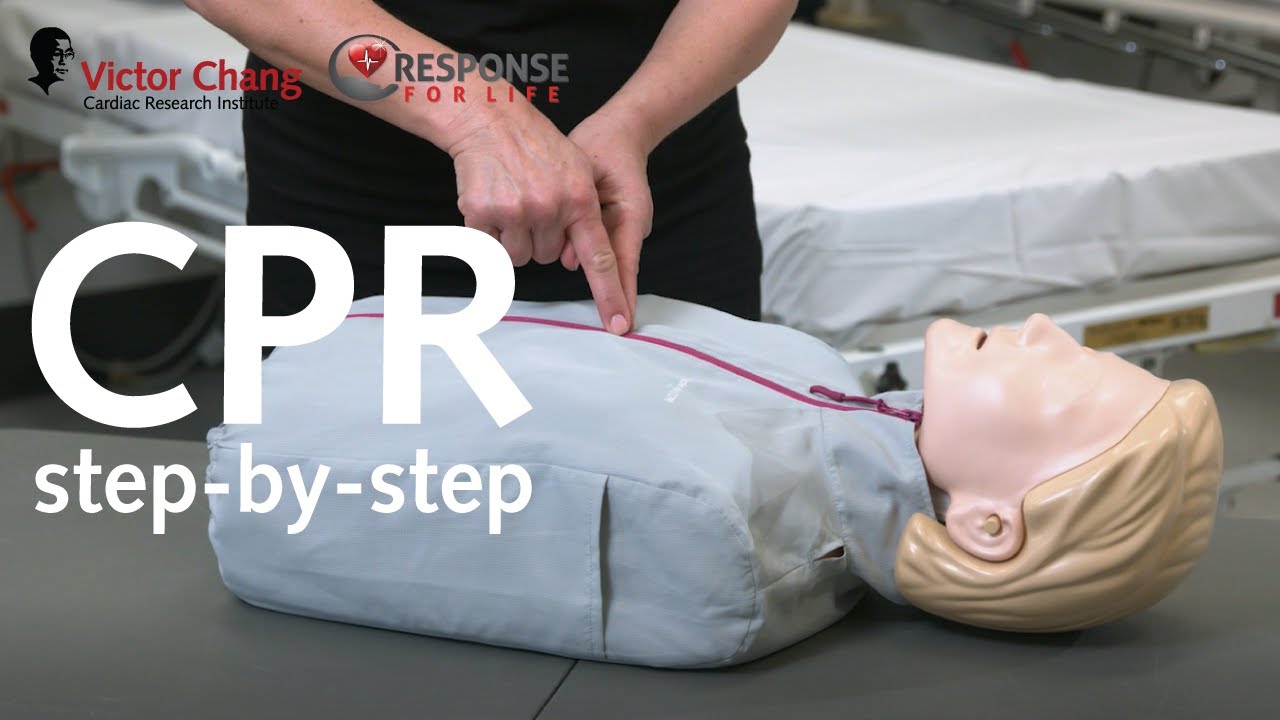
On a baby manikin, efficient compressions feel remarkably solid. The depth is about one third of the breast's front to back size, usually making use of 2 fingers in the center of the chest simply listed below the nipple area line for infants. For older kids, the heel of one hand might be made use of. Trainers need to lead you to press hard enough to make a difference without bouncing or jabbing.
Two things generally assist nervous parents accept this:
First, instructors discuss the physiology. Poor compressions might look cool, but they stop working to push blood to the mind. Company, correctly put compressions, even if they wound the upper body, are far much better than inadequate patting.
Second, repeated practice during cpr courses builds confidence. You really feel how the manikin's chest reacts, you listen to the click of right depth or see responses lights, and you find out a rhythm you can remember under stress.
Express cpr training for moms and dads will usually concentrate on baby and youngster cpr just, with a simple description of exactly how adult cpr differs. That is commonly sufficient. Most moms and dads are not the assigned initial aider in their work environment and do not need comprehensive grown-up situations throughout that fast first aid training session.
For those who are, some providers use incorporated first aid and cpr course alternatives. These cover all age groups, yet take longer and may extend beyond an express format.
A simple, unforgettable series for choking in infants and children
This is a location where a short, clear sequence saves lives. You have to adapt to the youngster's age and whether they are coughing effectively.
During express childcare first aid training, I usually show an uncomplicated algorithm. It beings in your mind as a list you can mentally run through in seconds. Right here is a condensed version that moms and dads typically find handy to modify later.
If the child is coughing, motivate coughing and keep them upright. Do not hit the back at this stage. If the kid can not cough, weep, or make audios, and is struggling, provide company back blows: position them deal with down and support the head, then strike between the shoulder blades approximately 5 times, checking after each blow. If back blows do not function and the youngster is still conscious, offer chest drives for infants or abdominal thrusts for older youngsters, up to five times, once more examining between each attempt. If the kid becomes less competent at any type of point, begin cpr and ask someone to call emergency situation services immediately. After effective elimination of the object, seek medical assessment, specifically if the kid had significant distress or needed thrusts or cpr.In a course, you do not just memorize these steps. You exercise them on age suitable training dolls till your hands know what to do. That muscle mass memory is what keeps your head above the panic when a genuine kid is calmly wheezing in your arms.
Choosing the appropriate fast first aid course near you
Parents commonly search for a fast first aid course near me and then feel lost in a maze of choices. Some are created for workplaces, others for sports instructors, others for schools. Some promise instant on the internet certification with no practical parts, which is not suitable for skills like cpr.
To puncture the noise, you can make use of a brief list when examining express first aid courses.
Does the company clearly cover baby and kid first aid, not simply adults, and do they offer certain express child care first aid courses or content? Is there hands-on experiment manikins for baby and child cpr, and not just demonstration? Does the trainer have actually both an acknowledged first aid qualification and real mentor or medical experience, not simply a script to follow? Is the first aid certificate identified in your area if you require it for work or childcare regulations, and does it satisfy neighborhood requirements for first aid and cpr training classes? Are refresher alternatives readily available, such as fast cpr refresher course sessions, so you can maintain confidence without repeating a full day course each time?If a course fails on more than one of these factors, maintain looking. An extra thirty minutes of travel for a much better express cpr course is worth more than a convenient but poor quality session around the corner.

Express vs thorough courses for moms and dads and carers
Not every parent needs the exact same level of first aid training. A fast first aid course that runs for 3 hours might be excellent for some and insufficient for others.
Parents with minimal time, minimal child care, or extreme anxiousness may benefit most from express first aid courses that cut straight to the emergency situations that keep them up during the night: choking, cpr, anaphylaxis, and seizures. The sensation of, "Now I know what I would do," is transformative and achievable in one evening.
If you likewise work in a setting with lots of children, like a childcare, school, or sporting activities club, an extra comprehensive first aid course might be prudent, or lawfully called for. Those courses look into fractures, spine injuries, ecological emergencies, and detailed legal duties. They generally bring about office recognised first aid certificates.
One convenient technique I have actually seen several family members make use of is organized knowing. They start with an express childcare first aid course soon prior to or after the birth. A year or more later first aid courses Cannon Hill on, when life stabilises and rest enhances, one moms and dad finishes a full first aid and cpr course to strengthen and expand their skills. Every few years, both moms and dads attend fast cpr courses or short refresher courses to maintain their muscle mass memory tuned.

Online, blended, and face to face alternatives: what in fact works
Modern first aid training offers adaptable layouts. New parents often ask whether an on the internet express first aid course is "adequate". The solution depends on the skill.
For knowledge subjects such as acknowledging very early signs of ailment, recognizing common poisons in the home, or learning the concept of injury treatment, online components can be extremely reliable. You can stop briefly, replay, and study at your own pace, often late at night with a baby asleep nearby.
For physical skills like infant cpr, choking maneuvers, and use of an epinephrine automobile injector instructor, there is no replacement for doing it with your very own hands. That does not imply you should go to a complete day session, however you must book a minimum of a brief personally component.
Blended courses integrate both techniques. You full theory online beforehand, after that go to a shorter express first aid training session where the emphasis is pure practice. Many parents discover this perfect, because it decreases child care time and allows them to rewind intricate subjects in the online modules.
If a supplier provides just on-line videos yet asserts to issue a complete first aid certificate, reviewed the small print meticulously. Some offices and regulative bodies do decline certificates without an evaluated useful part. As a parent looking for skills rather than just a piece of paper, you want the hands-on area anyway.
Keeping abilities fresh: why refreshers matter greater than you think
One uneasy truth concerning first aid is that abilities decay quickly without practice. Researches recommend significant loss of cpr skill high quality within 6 to twelve month after training, particularly amongst non health specialists who seldom use it.
For parents, that matters since a real emergency situation might not take place for several years, or ever. You are basically training for a high influence, low frequency event. The body and brain forget.
Fast cpr correspondence course alternatives exist precisely to address this. A 90 minute express cpr training session annually or more can bring back confidence at a portion of the moment of a full course. Some providers use brief "booster" drills where parents method compressions and choking procedures while obtaining feedback devices on manikins.
An advantage of express first aid courses is that they are much less frightening to repeat. Moms and dads are far more most likely to enroll in a 2 hour refresher than for an additional complete day every few years. When you are selecting a provider, it is worth asking ahead of time regarding their refresher pathways and whether they offer price cuts or packed bundles for returning families.
The emotional side of first aid for parents
Technical training is just half the story. The other fifty percent is taking care of the psychological mayhem of a real emergency.
Many new parents picture themselves panicking or fainting at the view of blood. In technique, the contrary commonly takes place. With some first aid training under their belt, a lot of parents define a compartmentalising effect. They move right into "do the following action" mode, practically mechanically, and just later on feel the shock catch up.
This change comes from wedding rehearsal. Throughout an express child care first aid course, you rehearse not only the physical maneuvers, but the decision making process:
Is this life threatening?
Do I require to open up the airway?
Am I alone, or can someone else call emergency services?
What is my very first intervention?
That sequence comes to be acquainted. In an emergency situation, you do not need to transform it. You just go through the mental checklist you have used before.
For some parents, particularly those with a terrible birth experience or previous loss, a first aid course can stir up feelings. A competent fitness instructor recognizes that. They offer parents approval to step out for a couple of mins, to cry if needed, and to ask for a slower speed when going over resuscitation. If you understand this may be you, take into consideration consulting with the instructor privately at the beginning, or selecting a smaller express childcare first aid training team rather than a large public class.
Integrating first aid into daily household life
Completing a first aid course need to not be a box you tick once and neglect. The expertise becomes most effective when you weave it silently into day-to-day routines.
You may create a household particular emergency situation strategy, keeping in mind which medical facility you would utilize, which neighbors you can call at night, and where the house tricks and clinical cards are maintained. You can maintain a straightforward, well equipped first aid set at home and in the cars and truck, examining it every few months to replace made use of or run out contents.
Some family members set up a yearly "safety check" day. They walk through your home, readjusting cot heights, window locks, water temperature level setups, and furnishings positioning with the lens of injury avoidance. This is not fear, it is merely applying the understanding that first aid training provides you to reduce the number of emergency situations you could face.
For moms and dads who use sitters, grandparents, or baby-sitters, using or requiring an express child care first aid course is just one of the most practical presents you can offer. Even if guidelines do not demand official fap first aid certification, the skills are too essential to leave to chance.
When to exceed first aid training and seek medical advice
One usual problem after courses is, "I recognize just how to manage the very first few mins, however I am still unsure when to see a medical professional or most likely to the healthcare facility." That uncertainty is normal. First aid has to do with immediate response, not long term diagnosis.
Trainers must provide you clear, conventional assistance. It is always appropriate to seek clinical advice when unsure. Several emergency divisions and rescue services publish basic requirements for moms and dads, such as:
Persistent problem breathing, including fast breathing, groaning, or flaring nostrils.
Unresponsiveness, severe sleepiness, or problem waking a child.
A seizure in a child without a previous history, or a seizure that lasts longer than a few minutes.
Serious burns, especially on the face, hands, genital areas, or over large areas of the body.
Indications of significant allergic reaction, including swelling of the lips or tongue, extensive breakout, or collapse.
First help does not replace professional treatment. It bridges the void, turning helpless waiting into deliberate activity. That mindset is just one of one of the most beneficial parts of express childcare first aid courses, and it often tends to spread into various other areas of parenting: you come to be more aggressive, much more observant, and extra certain in your very own judgment.
Making a reasonable prepare for your family
If you are expecting a baby, or have a child under 5 and no first aid training yet, the inquiry is not whether you ought to learn, however just how to do it in a manner that fits your life.
One realistic pathway could resemble this:
During pregnancy or the first year, both parents or primary carers go to an express child care first aid course, in person, concentrated greatly on infant and youngster cpr, choking, and significant emergencies. This establishes a strong base.
Within the following 12 to 24 months, one or both adults finish an extra extensive first aid and cpr course, probably among the basic work environment first aid courses, to broaden abilities around injury, illness, and adult care.
Every one to two years after that, you schedule a fast cpr or fast first aid correspondence course, preferably one that permits exercise with infant and youngster manikins. This maintains proficiency without requiring complete retraining.
Alongside this, you construct straightforward routines in your home: available first aid supplies, emergency situation numbers noticeable near phones, and a harsh plan for who does what in a crisis.
None of this guarantees a smooth course through childhood. No strategy can. What it does assurance is that when seconds matter most, you will not be standing there empty handed, relying solely on good luck and a smartphone search. You will certainly have practiced, you will know what "adequate" appears like, and you will act.
Express first aid can not eliminate the dangers of elevating kids, yet it can transform that background worry right into preparedness. For a brand-new parent, that shift deserves a few hours in a class many times over.